Dead Tree Removal in Duluth, MN
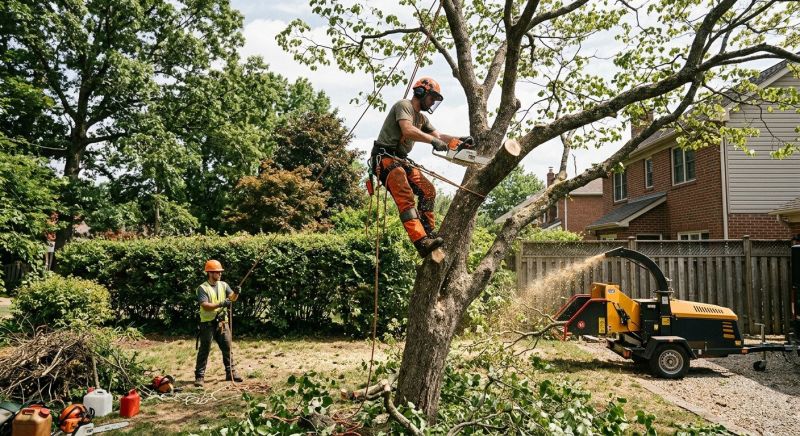
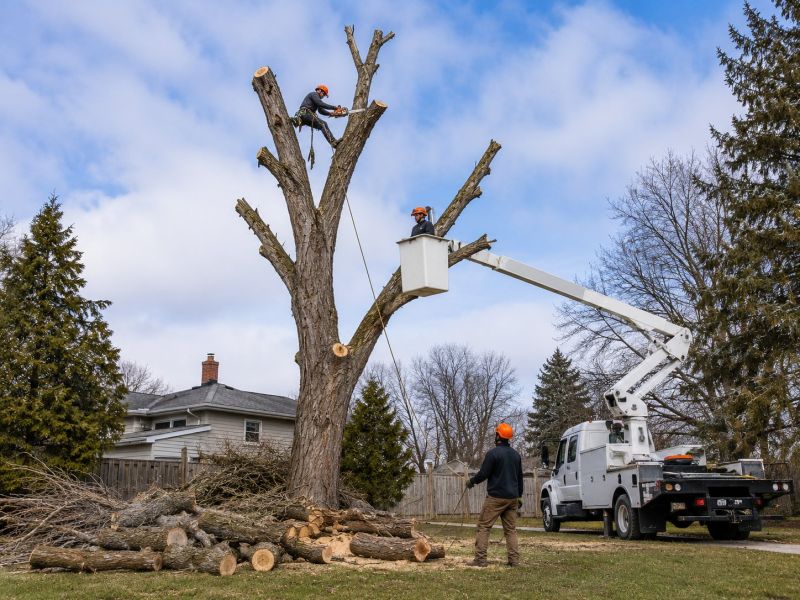
Dead tree removal services involve the safe and efficient removal of trees that are dead, dying, or pose a risk to the property. This type of project typically includes assessing the tree’s condition, planning the best removal method, and carefully cutting and removing the tree and its debris. Homeowners often request this service when a dead or hazardous tree is located near structures, power lines, or heavily trafficked areas, or when the tree’s decay threatens the health of surrounding plants and trees.
Before requesting dead tree removal, property owners should consider the size, location, and accessibility of the tree, as well as any potential obstacles such as nearby structures or utilities. It’s also helpful to understand the reasons for removal, whether due to safety concerns, disease, or aesthetic reasons. Clear communication about these factors can ensure the process is handled efficiently and safely, helping to protect property and maintain landscape health.
Many property owners in Duluth, MN look into Dead Tree Removal for repairs, replacements, upgrades, and appearance-related improvements.
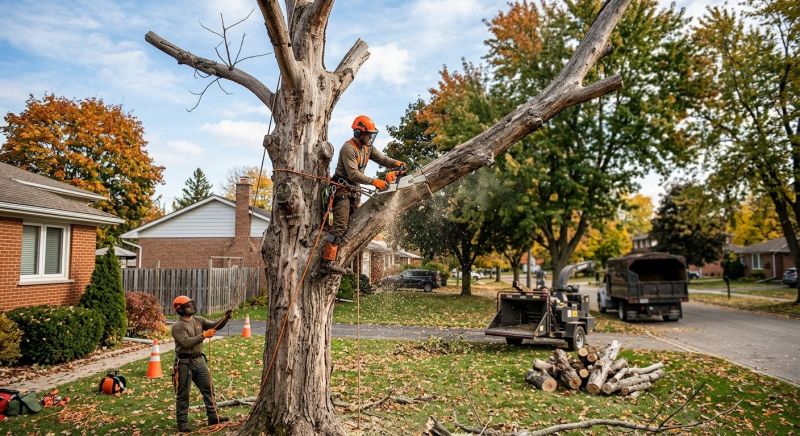
Reasons For Dead Tree Removal
Removing dead trees helps prevent property damage and safety hazards around duluth homes.
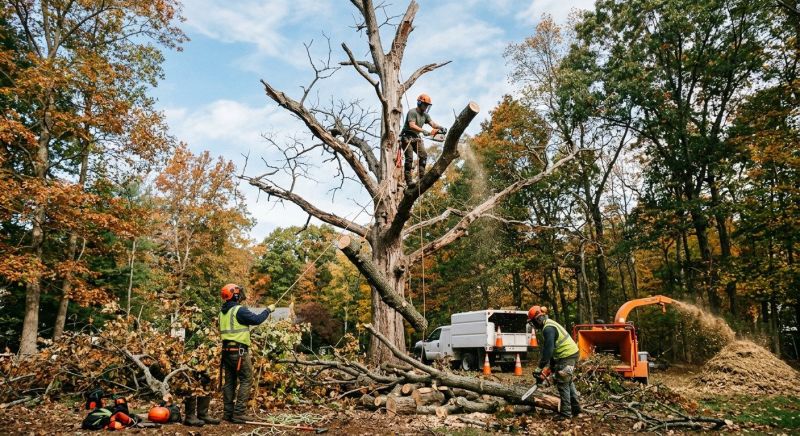
Signs A Tree Needs Removal
Signs include dead branches, trunk decay, and leaning, which can indicate the need for professional removal.
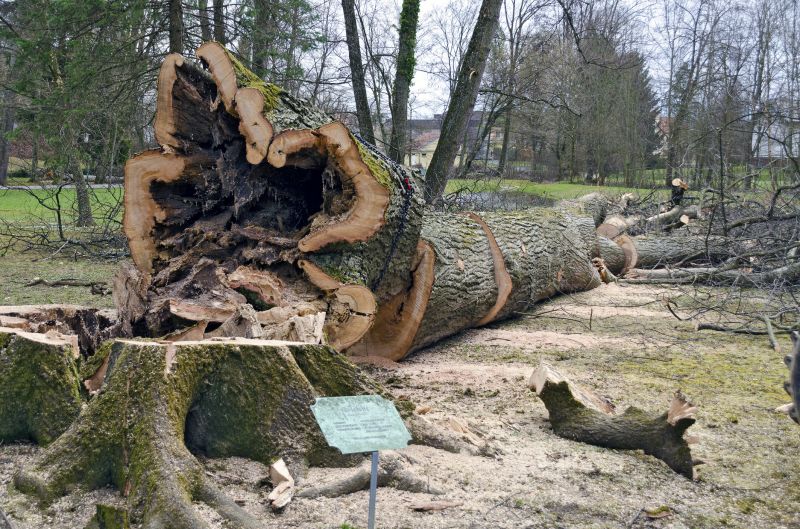
Benefits Of Tree Removal Services
Professional dead tree removal improves landscape safety and prepares the area for future planting or development.
Dead Tree Removal in Duluth, MN
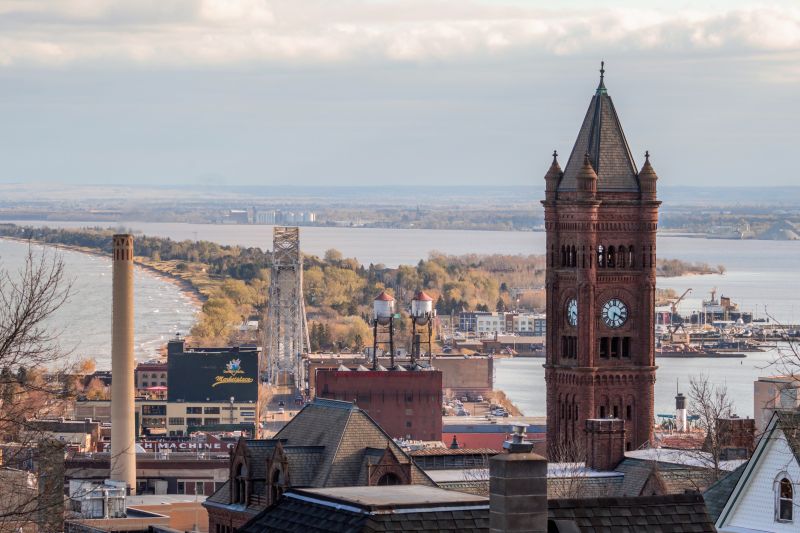
Dead tree removal services involve the safe and efficient removal of trees that are dead, dying, or pose a risk to the property. This type of project typically includes assessing the tree’s condition, planning the best removal method, and carefully cutting and removing the tree and its debris. Homeowners often request this service when a dead or hazardous tree is located near structures, power lines, or heavily trafficked areas, or when the tree’s decay threatens the health of surrounding plants and trees.
Before requesting dead tree removal, property owners should consider the size, location, and accessibility of the tree, as well as any potential obstacles such as nearby structures or utilities. It’s also helpful to understand the reasons for removal, whether due to safety concerns, disease, or aesthetic reasons. Clear communication about these factors can ensure the process is handled efficiently and safely, helping to protect property and maintain landscape health.
Many property owners in Duluth, MN look into Dead Tree Removal for repairs, replacements, upgrades, and appearance-related improvements.
Common Dead Tree Removal Jobs
Dead tree removal involves safely taking down trees that pose a risk to property or safety.
Storm-damaged trees are carefully removed after severe weather events to prevent further damage.
Uprooted trees are extracted when roots loosen or trees fall, ensuring a clean landscape.
Hazardous tree removal addresses trees with structural issues that threaten nearby structures or power lines.
Fallen tree cleanup involves clearing debris after storms or accidents for safety and accessibility.
Selective tree removal helps maintain landscape health by removing specific dead or overgrown trees.
Dead Tree Removal Questions
When is dead tree removal necessary? Dead trees may pose safety risks, obstruct views, or damage property, making removal advisable.
What are common signs of a dead tree? Foliage thinning, dead branches, and bark decay are typical indicators of a tree in decline.
Can dead trees be removed without damaging surrounding landscape? Proper removal techniques help minimize impact on nearby plants and structures.
Why should property owners consider professional dead tree removal? Professionals ensure safe, efficient removal and reduce the risk of property damage or injury.
Request Dead Tree Removal in Duluth, MN
Use the quote form on this page to share the basics of your project and request more information for the type of work you need.